
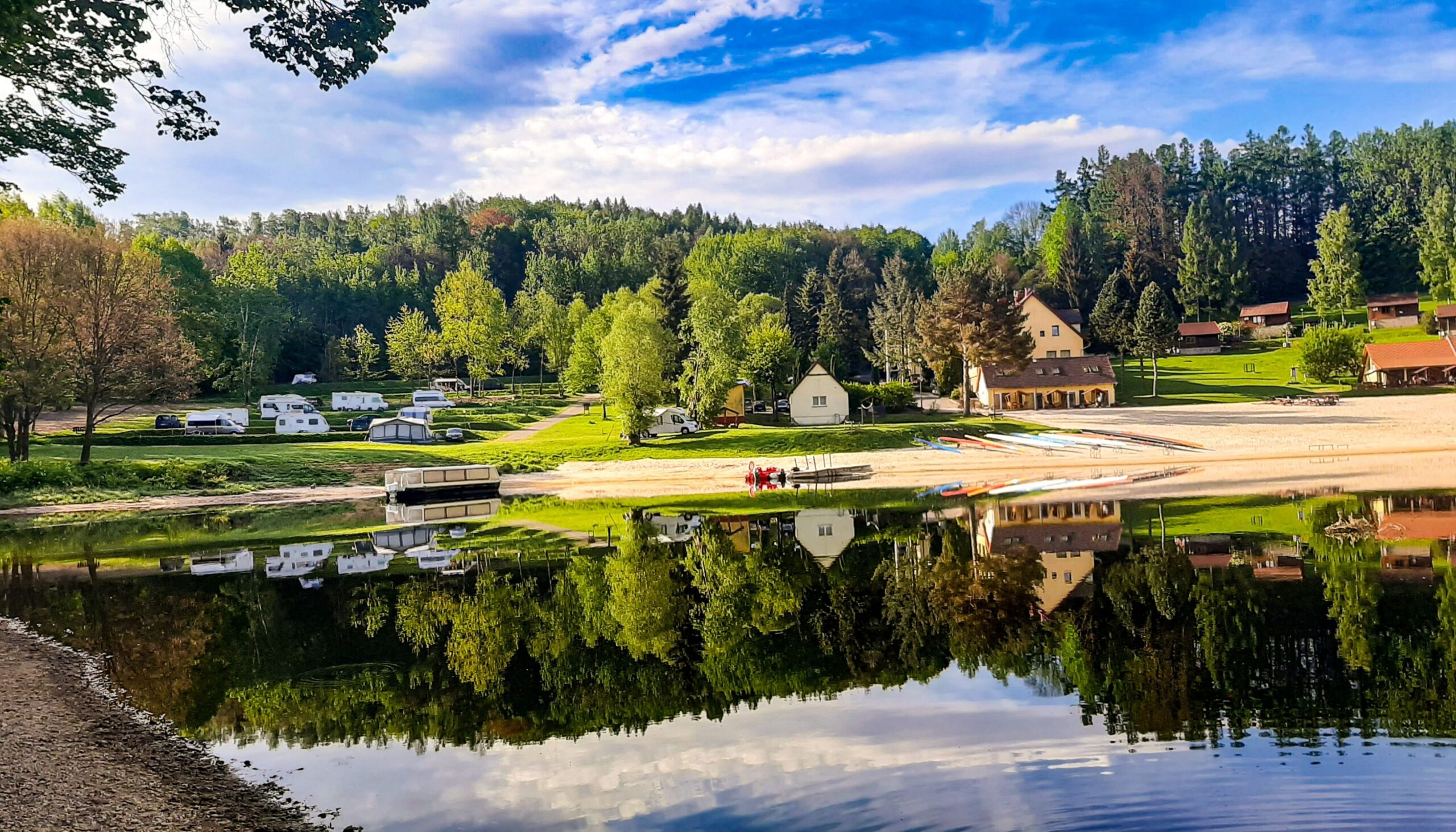
Both Pagosa Springs and Durango sit in the San Juan Mountains of Southwest Colorado, roughly an hour apart by car. Both draw out-of-state buyers looking for mountain living, and both show up in the same searches when people start exploring this part of the state. But they are very different places with different rhythms, different property, and different trade-offs. If you are weighing the two, here is what we think matters most, from two agents who live in Pagosa Springs and sell across both markets.
Two Towns, Two Different Versions of Mountain Living
This is not a “which town is better” post. We have buyers who land in Pagosa Springs and never look back, and buyers who tour both and end up in Durango because it fits the life they want. The right answer depends on how you plan to spend your days, not on which town has the better brochure.
Pagosa Springs: Small Town, Hot Springs, and Elbow Room
Pagosa Springs sits at about 7,100 feet in Archuleta County, with the San Juan River running through town and national forest pressing in on nearly every side. The population is small, roughly 1,600 in town and around 14,000 across the county. It is quieter, more spread out, and more rural than Durango in almost every way.
The town is known for its geothermal hot springs, some of the deepest in the world, and for Wolf Creek Ski Area about 25 minutes up the pass. Fly fishing on the San Juan and its tributaries is a major draw. Hunting, ranching, and farming are part of the culture here, not just the marketing. Downtown is walkable but compact. You are not going to find a chain restaurant on every corner, and most people here would tell you that is the point.
Durango: A Larger Mountain Town With More Infrastructure
Durango is in La Plata County, about 60 miles west. The population is closer to 19,000, which makes it the largest town in the region by a wide margin. Fort Lewis College gives it a younger energy, and the Animas River runs straight through a downtown that has real depth to it: restaurants, breweries, shops, a performing arts center, and the Durango and Silverton narrow gauge railroad.
Purgatory Resort is about 30 minutes north for skiing. Medical care is stronger here than anywhere else in the area, with a full hospital and specialists you would otherwise have to drive to Albuquerque or Grand Junction to see. If you need regular access to an airport, Durango-La Plata County Airport has commercial flights.
What Day-to-Day Life Actually Looks Like in Each Town
This is where the real differences show up, and where most online comparisons fall short.
In Pagosa Springs, you are going to drive for most things. There is a grocery store, hardware stores, and the essentials, but the selection is limited compared to Durango. If you need a specialist doctor, a Costco run, or a wider range of contractors, you are likely making the hour drive west. Internet has improved in recent years, but coverage is uneven outside of town, which matters if you work remotely. Winter driving on Highway 160 over Wolf Creek Pass can be serious. The trade-off is space, quiet, and a community where people know your name at the post office.
In Durango, daily life has more convenience. More grocery options, more restaurants open year round, more tradespeople to call when something breaks. The hospital is a big deal for families and retirees. But Durango also has more traffic, more tourism pressure in summer and ski season, and the kind of growth that comes with being the regional hub. Housing is tighter, and the town feels busier, especially along Main Avenue from May through October.
Both towns change in winter. Pagosa gets quieter. Durango stays busier but deals with its own snow and pass closures. In both places, you learn to keep your pantry stocked and your truck in four-wheel drive from November through April.
Property Types and What Your Money Gets You
The housing stock in each town reflects its character. What you can buy, what the land looks like, and how far your budget stretches are meaningfully different.
Pagosa Springs Property
Pagosa Springs has more variety for buyers looking for acreage, rural land, and recreational property. Mountain homes on 5, 10, or 35 acres. Working ranches. River-frontage parcels along the San Juan. Hunting land backed up against national forest. Farms with water rights and usable irrigated ground. You generally get more land per dollar here than in Durango, and the inventory skews toward buyers who want room and privacy rather than walkability.
Fly-fishing property is a real category here, not a marketing phrase. Buyers come to us specifically looking for river or creek frontage, and the San Juan corridor delivers that in a way few places in Colorado can match.
Durango Property
Durango’s market is deeper in traditional residential inventory. In-town homes, condos near downtown, ridge-top properties with mountain views, and riverfront along the Animas. Lots tend to be smaller, and the price per square foot runs higher than Pagosa Springs. If you are looking for a home you can walk to dinner from, Durango gives you more options.
The short-term rental market is more established in Durango, which matters if you are buying a second home and want to offset costs. Competition among buyers can be stiffer, especially for well-located in-town properties. You are also more likely to encounter HOAs and covenants in Durango’s subdivisions than in rural Archuleta County.
The Things Most Out-of-State Buyers Do Not Think to Compare
Beyond the lifestyle differences, there are practical realities that only surface once you start looking at specific properties.
Water is the big one. In Pagosa Springs, many properties are on wells rather than municipal water. That means well inspections, flow-rate testing, and understanding your water source before you close. In Durango, municipal water is more common in town, though rural La Plata County properties deal with wells too. Septic versus sewer follows the same pattern: more septic in Pagosa, more sewer in Durango proper.
County regulations differ between Archuleta and La Plata. Building setbacks, land-use rules, short-term rental ordinances, and wildfire mitigation requirements can vary significantly. Property insurance out here is not the same as what you are used to in the suburbs. Wildfire risk, distance from a fire station, and construction materials all factor into what you will pay, and both counties have areas where coverage takes extra effort to secure.
Road maintenance matters too. County-maintained roads and private roads are common outside both towns. Who plows your road in January, and how quickly, is a question worth asking before you fall in love with a property at the end of a dirt road.
Questions to Ask Yourself Before Choosing
Before comparing listings, it helps to compare how you actually want to spend your time. These are the questions we walk through with buyers who are weighing both towns.
- Do you want to walk to restaurants and shops, or do you prefer space and quiet?
- How important is proximity to a hospital or specialist medical care?
- Are you buying for full-time living, a second home, or a future retirement?
- Do you want acreage, or are you looking for a low-maintenance home in town?
- Is fly fishing, hunting, or ranching part of why you are moving here?
- How do you feel about a 20-minute drive for groceries versus having everything nearby?
- Do you need reliable high-speed internet for remote work?
- Are you planning to rent the property short-term when you are not using it?
- Do you want a town with restaurants and nightlife, or one where the stars are the main event after dark?
There are no wrong answers. We have helped buyers land happily in both places, and a few who started looking in one town and ended up in the other once they got clear on what mattered most.
Still Weighing Pagosa Springs and Durango?
We live in Pagosa Springs and work across both markets every week. If you are trying to figure out which town fits the way you want to live, we are happy to walk through it with you. No pressure, just an honest conversation about what each place offers and where your priorities point.